
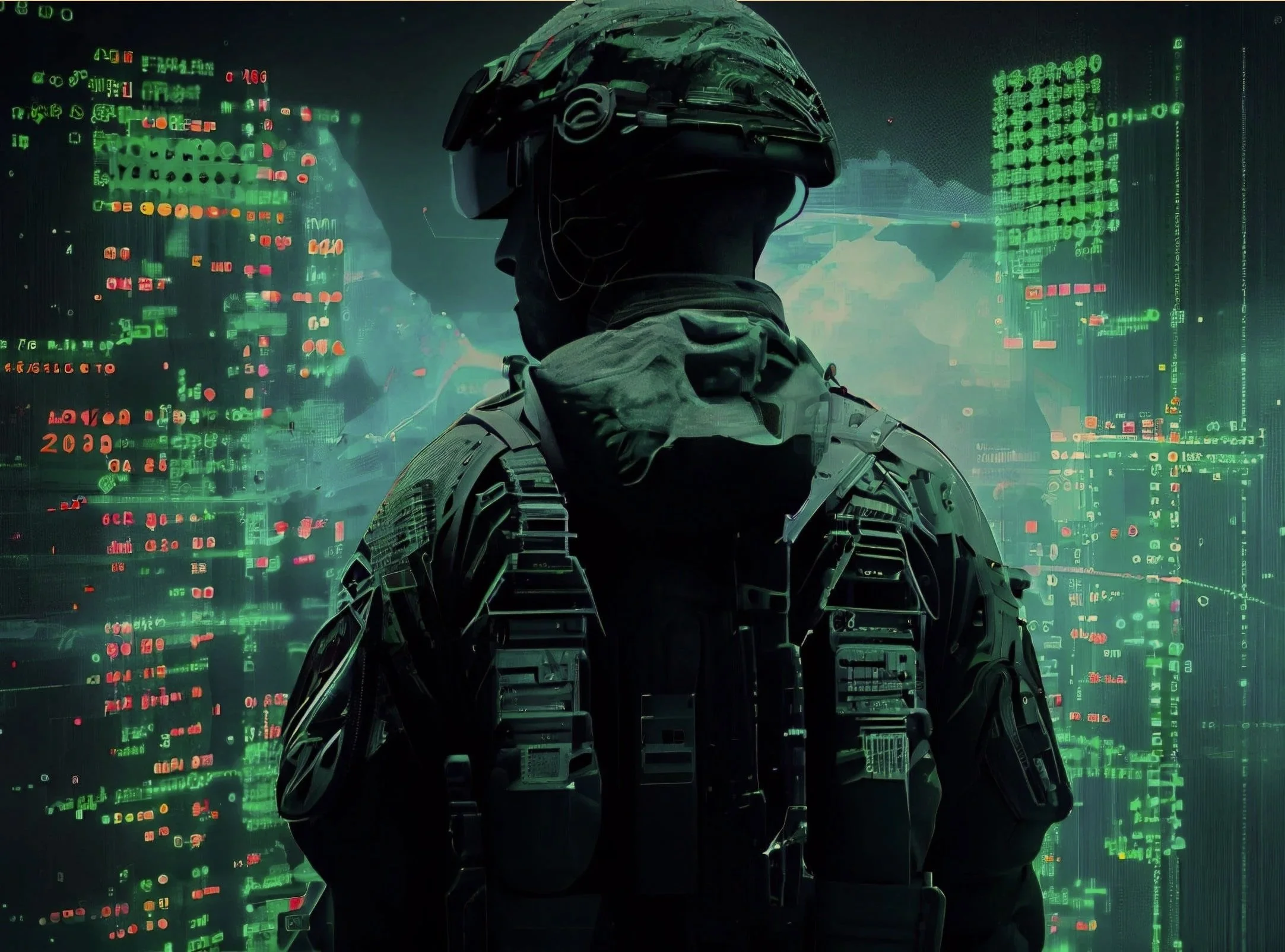
“The true quality of any Army on a modern battlefield is determined by its soldiers”
Conclusion
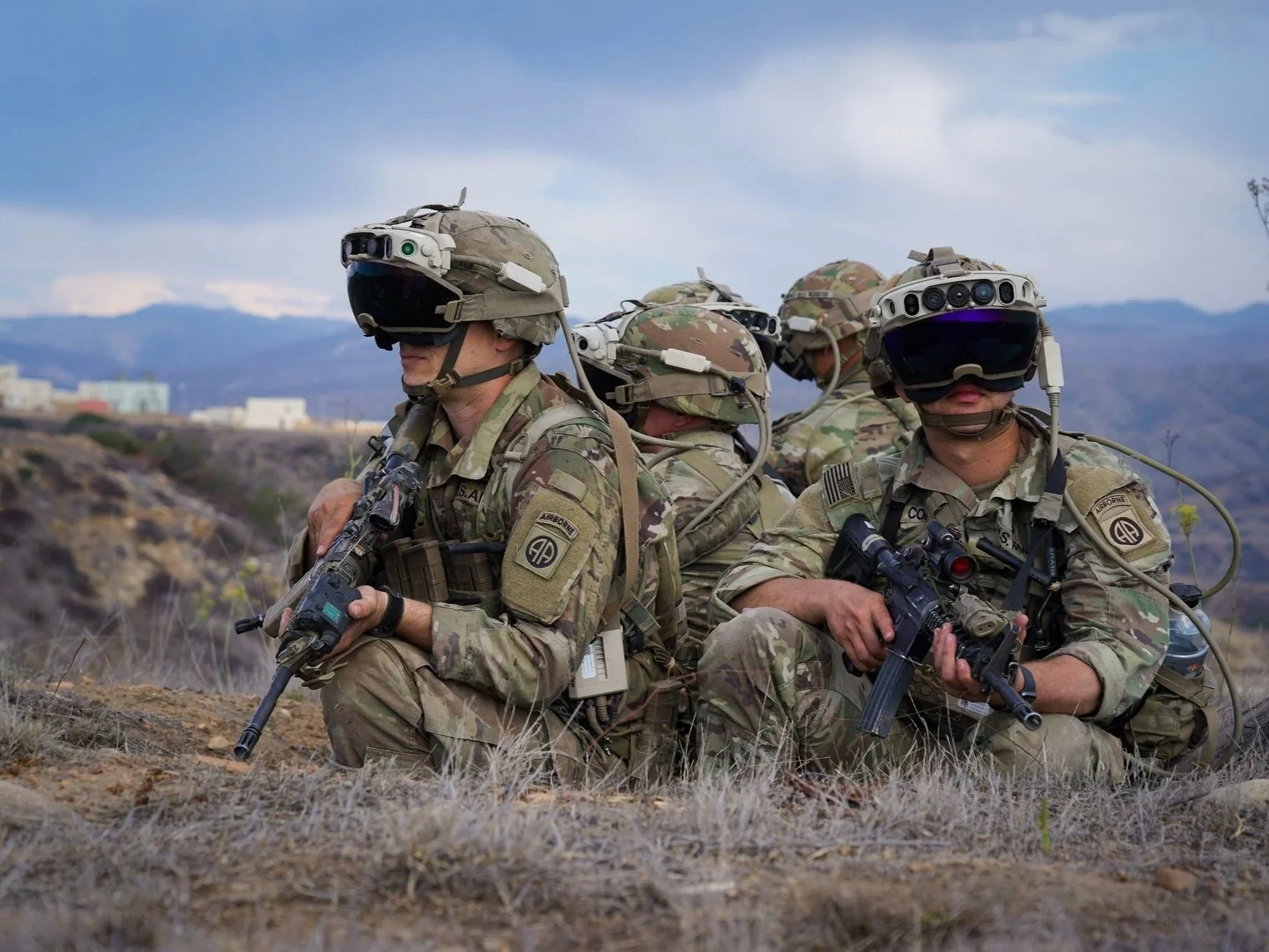
A modern Army’s journey toward true integration represents both a cultural and technological transformation. By partnering with industry leaders whose integration technologies already underpin NATO soldier modernisation efforts — Users can ensure its Future Soldier remains digitally connected, physically agile, and operationally superior.
As modern militaries move towards digital-by-design, the interface between human and machine becomes even more critical.
Augmented reality, data overlays, power analytics, and cognitive aids will only succeed if they are designed around human capability limits.
A core challenge in Army modernisation has been technical integration — making radios, power systems, and sensors work together.
But human integration is equally critical: the systems must feel and function as one coherent whole when worn and used.
True HFI is what turns a collection of technologies into a system-of-systems that the human body and mind can manage under combat conditions. It’s the bridge between engineering integration and operational effectiveness.
Human Factors Integration isn’t a design luxury — it’s a combat enabler. It turns technology into advantage, soldiers into systems, and data into decisions. Without it, integration fails where it matters most — in the hands, minds, and bodies of the soldiers who fight.