Human-Centric Design:
HFI is now embedded from concept to trials. The Experimentation & Trials Group (ETG) ensures new technologies are soldier-tested early, validating ergonomics, power demand, and data usability before full procurement.
Human Factors Integration is the science and process of designing systems that fit human capabilities, limitations, and behaviours — not the other way around. In the context of the British Army HFI ensures that equipment enhances a soldier’s effectiveness, comfort, and decision-making, rather than creating additional physical or cognitive burden.
Without HFI, even the most advanced technology can fail in real operations because it’s uncomfortable, unintuitive, or incompatible with the soldier’s workflow.
Modern soldiers carry over 50 kg of equipment, including weapons, radios, power sources, sensors, and protective gear. Without integration, each subsystem — helmet, radio, battery, display — competes for space, weight, and attention.
HFI ensures that:
Controls are intuitive, tactile, and glove-friendly.
Weight is distributed ergonomically across the head and torso.
Power, cabling, and data routing are simplified to reduce clutter.
Displays and alerts align with human visual and auditory processing limits.
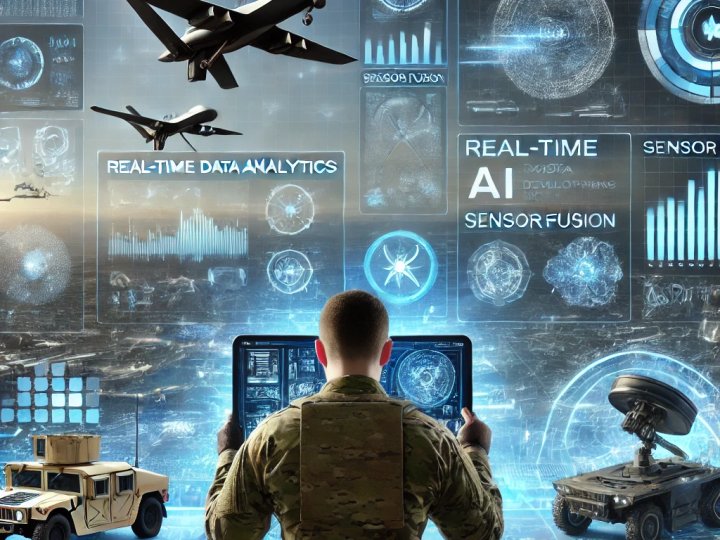
This translates directly to greater endurance, reduced fatigue, and faster reaction times. Modern warfare is information-saturated. Soldiers face a continuous influx of audio, visual, and digital inputs — from radios, sensors, and navigation aids.
HFI is about managing cognitive load:
Presenting the right information, in the right format, at the right time.
Reducing distractions and preventing “information blindness.”
Supporting situational awareness rather than overloading it.
When applied correctly, HFI transforms data into useful knowledge — supporting decision advantage, not just digital connectivity. It Drives Safety and Survivability
HFI is not just about comfort — it’s about safety under combat stress:
Proper weight distribution reduces neck and spine injuries.
Clear audio and visual feedback prevents miscommunication.
Simplified controls reduce operator error in high-stress conditions.
Integrated protective systems ensure ballistic and hearing safety aren’t compromised by tech attachments.
It’s not ‘us versus them’ or even ‘us on behalf of them.’ For a design thinker it has to be ‘us with them'”